



What is a Trust?

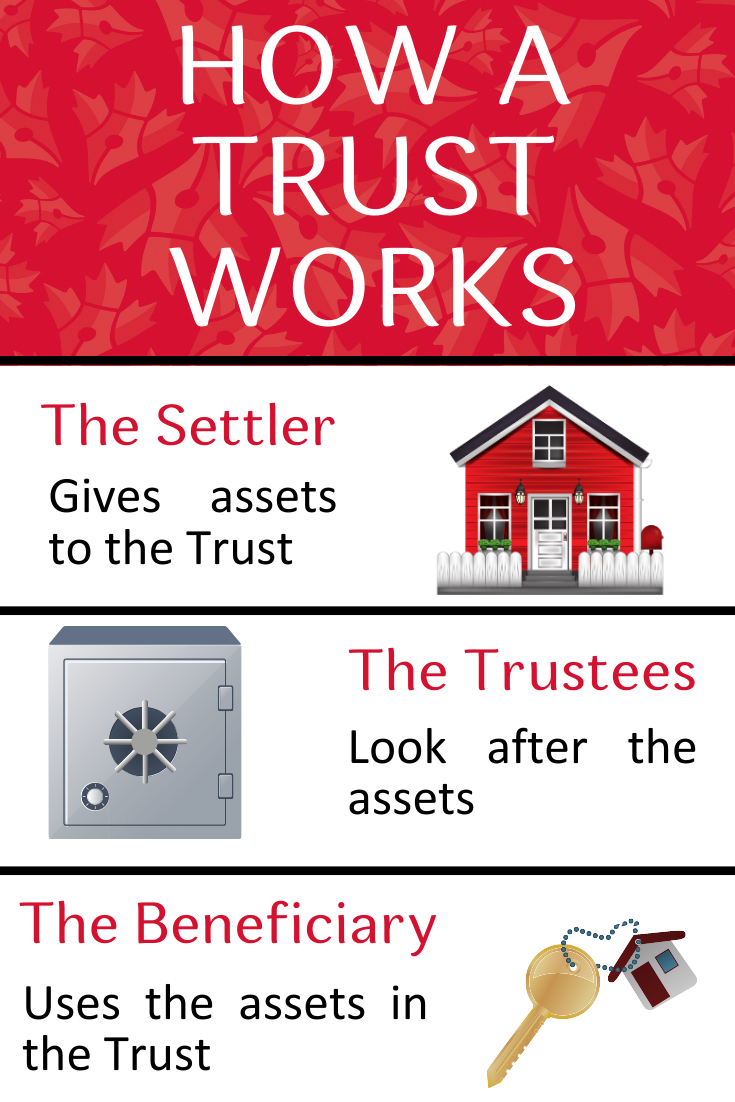
In essence, ownership of the item passes from you to the Trust. The Trust is a bit like a safety deposit box and is managed by ‘Trustees’ (a minimum of 2 people). The Trustees make decisions about how the Trusts assets are used, following your written instructions.

The Beneficiaries of the Trust are the people who can benefit from the Trusts assets. It is possible to be a Trustee(s) and also a Beneficiary.

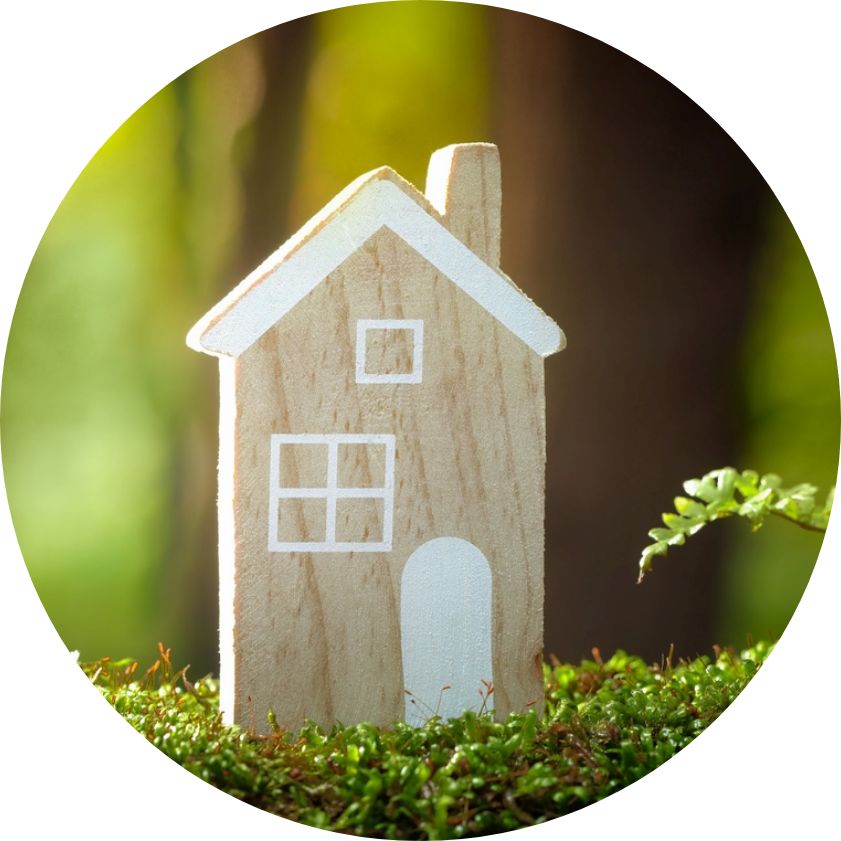
If you own a house and you put your house into a Trust then this would give your home a high level of protection, to ensure that it passes on to exactly who you wish, when you would want it to and in the way that you would want it to.

Partners and Friends

hope house
The Society of Will Writers Logo
compton
shropshire wills partner logos
Institute of professional will writers
Blonde mother walking hand in hand with two small boys in beach sand

Inheritance

Trusts serve as powerful inheritance tools by providing enhanced control and asset protection. Unlike a direct bequest in a will, a trust allows you to dictate exactly when and how beneficiaries receive their inheritance, which is particularly beneficial for protecting young or vulnerable beneficiaries. Thrusts also offer protection from creditors, for example if a beneficiary is going through a bankruptcy or divorce. One key benefit is that assets in trust bypass the probate process, often making estate administration easier and faster.
Divorce

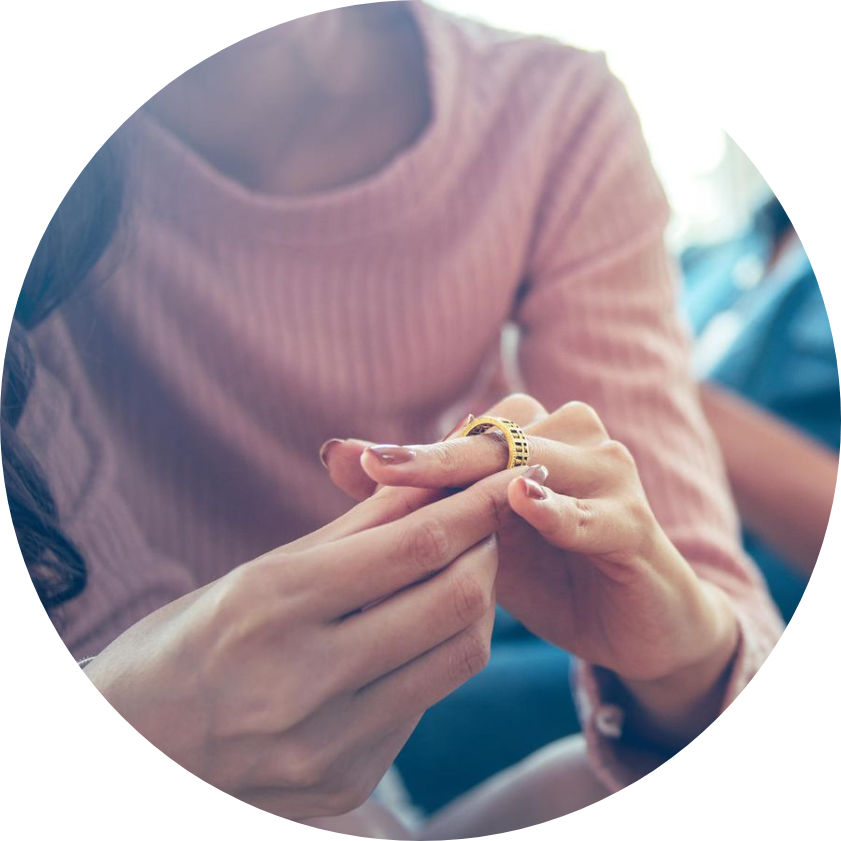
If one of your children receives a direct bequest from your estate while they are in the middle of getting a divorce, then their inheritance could form part of the divorce settlement. If, however, your estate is held a Trust, for your child’s benefit, then it is protected from this.

Bankruptcy

Trusts protect against bankruptcy by legally separating assets from your personal estate, making them much harder for creditors to access


Putting your home into trust in your lifetime

Infographic depicting the structure of a legal trust

Putting a house in a trust is primarily done to ensure the property passes to specific heirs without the delays of probate, while offering protection against a variety of social and financial risks. One of the ‘risks’ it offers protection against is; decisions that your future self might make! The most common way that children to get ‘disinherited’ is through the re-marriage of one parent after the other parent has died. The new (future) spouse can end up with the entire estate, with the original children getting nothing. This would not have been the plan when both parents were still alive, but it happens sadly very often. If the house is in trust, the surviving parent (and new spouse) could enjoy living in the property, but the house would ultimately end up with the original children – and not the new (future) spouse.


Get started with your estate planning

Clients tell me how relieved they feel once their estate planning is in place - it’s one less thing to worry about. So get in touch and don’t put it off any longer!

    Privacy Overview

    This website uses cookies so that we can provide you with the best user experience possible. Cookie information is stored in your browser and performs functions such as recognising you when you return to our website and helping our team to understand which sections of the website you find most interesting and useful.